Best Neighborhoods in NYC: Where Should You Live?
Moving to New York? Here are the best neighborhoods in NYC, borough by borough, with rent, vibe, and commute compared so you can find where you should live.
Moving to New York and wondering where to live? It all depends on your budget, your commute, and the kind of life you want. Manhattan is for walkability and energy, Brooklyn for creative neighborhoods with a bit more space, Queens for value and diversity, and the Bronx and Staten Island for a calmer, more suburban pace.
Below, we compare the best neighborhoods in NYC, borough by borough, so you can find the one that fits you.

Table of Contents
- 1.NYC neighborhoods compared
- 2.The best neighborhoods in Manhattan
- 3.Greenwich Village
- 4.East Village
- 5.Harlem
- 6.Lower East Side
- 7.SoHo
- 8.The best neighborhoods in Brooklyn
- 9.Prospect Heights
- 10.Crown Heights
- 11.Williamsburg
- 12.Dumbo
- 13.Bushwick
- 14.Bed-Stuy
- 15.The best neighborhoods in Queens
- 16.Astoria
- 17.Long Island City
- 18.Flushing
- 19.The best neighborhoods in the Bronx
- 20.Riverdale
- 21.Woodlawn Heights
- 22.The best neighborhoods in Staten Island
- 23.St. George
- 24.New Springville
- 25.New Dorp
- 26.Frequently Added Questions
- 27.Which NYC neighborhood is best for you?
NYC neighborhoods compared
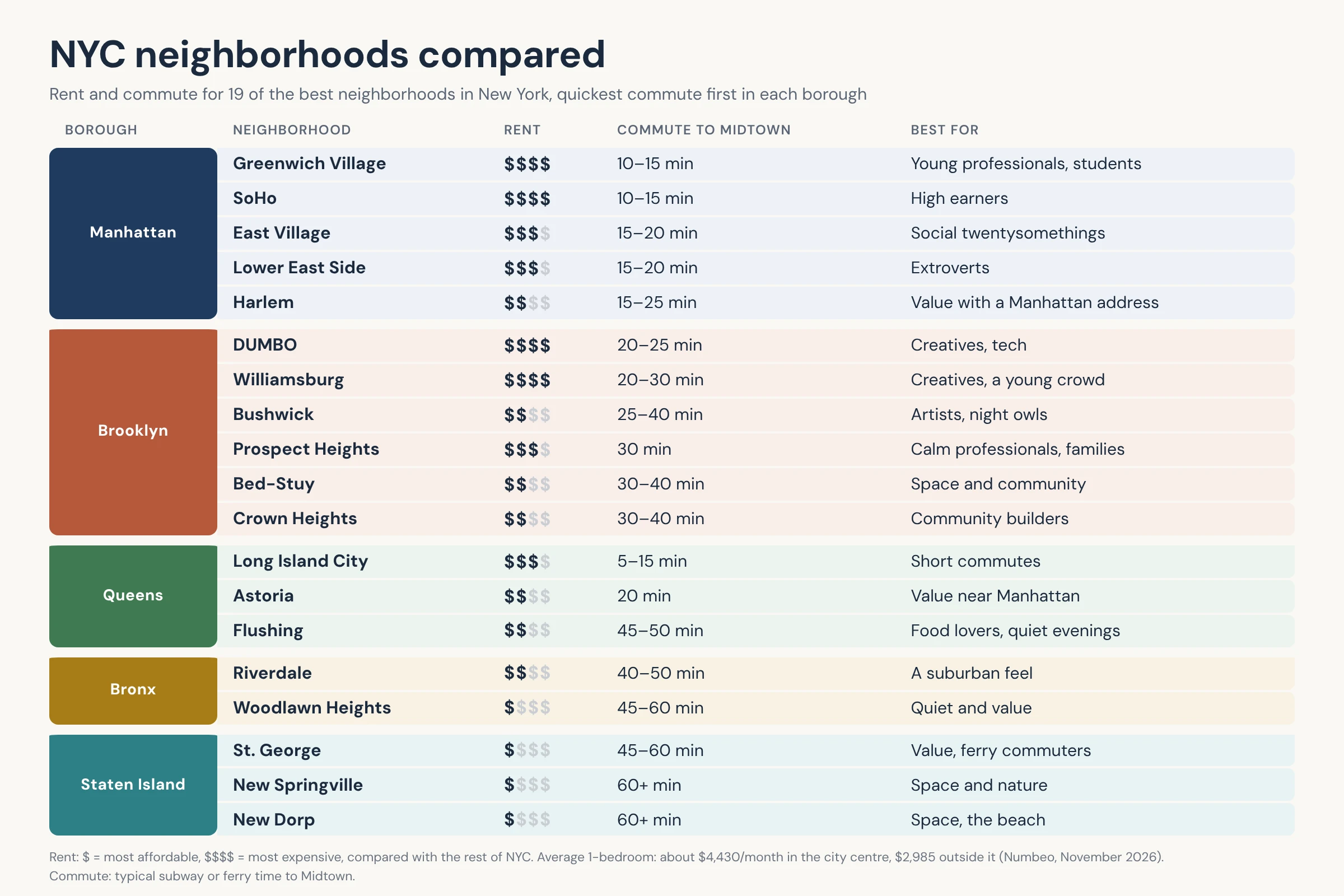
- For the quickest commute, look at Long Island City, Greenwich Village, or SoHo.
- For the best value, Harlem, Bed-Stuy, Crown Heights, and Astoria give you more for your money, while Staten Island and the Bronx are the most affordable.
- For nightlife and creative energy, try the East Village, Williamsburg, or Bushwick.
Rents average about $4,430 a month for a 1-bedroom in the city centre and $2,985 outside it (Numbeo, November 2026).
The best neighborhoods in Manhattan
Manhattan has always been the most popular borough with plenty to offer New Yorkers, tourists, and newbie New Yorkers alike. While housing may be more costly, you can still find affordable co-living spaces here to enjoy the thousands of activities and sights Manhattan offers.
Greenwich Village
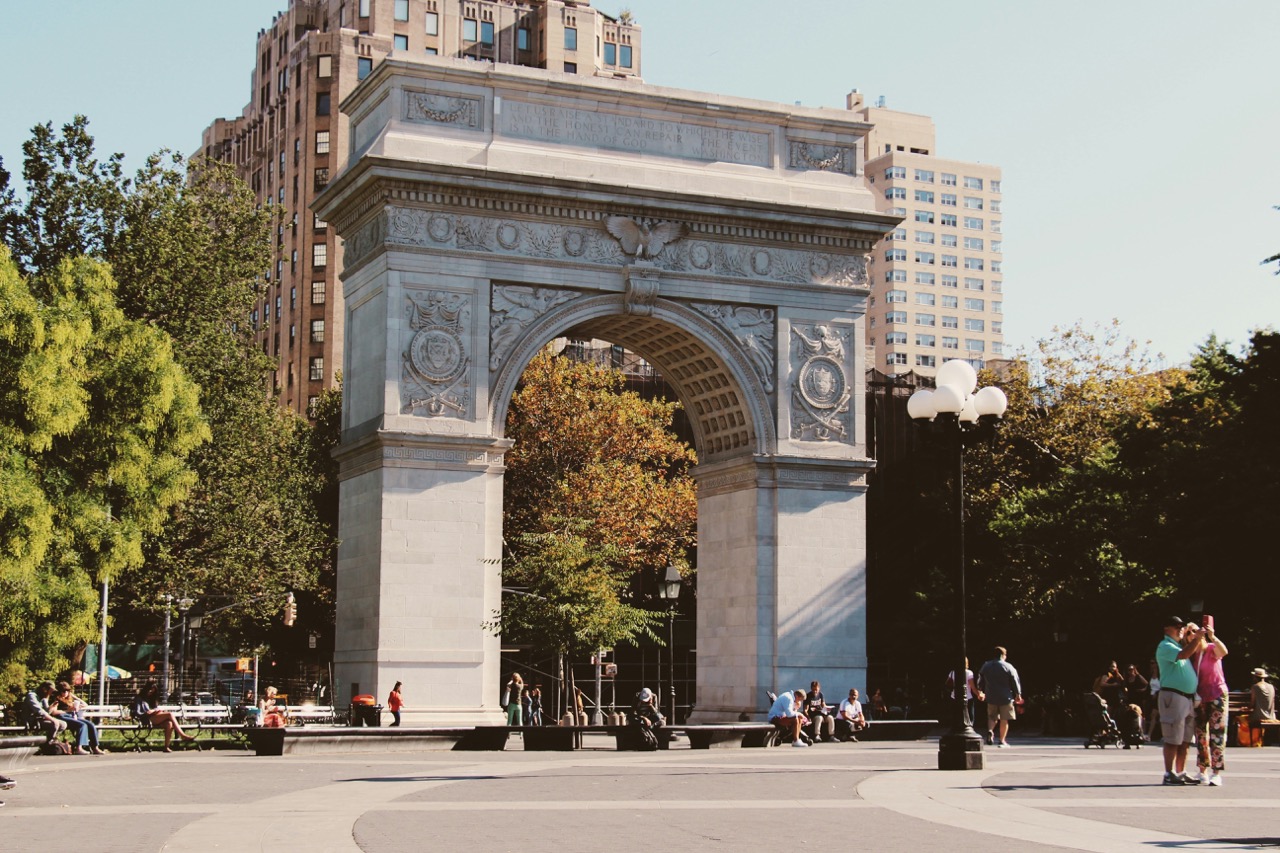
Greenwich Village brings you between Manhattan’s brownstones, New York University buildings, and Washington Square Park (WSP). Enjoy tons of down-to-earth cafes, bars, and jazz clubs. - Best for: younger professionals, hippier vibes, students, the young at heart.
- Pros: smaller feel than in other parts of Manhattan, great restaurants, WSP, historic, LGBT+ friendly, many accessible subway lines, plenty of coworking spaces
- Cons: a lively neighborhood means noisy nights and soaring home prices
East Village
The East Village is one of Manhattan’s most social neighborhoods, packed with bars, cheap eats, vintage shops and live music, with Tompkins Square Park as its backyard. It’s young, a little loud and full of character.
- Best for: social twentysomethings, foodies, night owls
- Pros: endless restaurants and bars, very walkable, Tompkins Square Park, close to Union Square, L and 6 trains
- Cons: noisy at night, small older apartments, rents have risen fast
Harlem
Harlem comes from a rich and proud history and offers access to a tight-knit community, Central Park’s north woods area, and vibrant nightlife. It’s a diverse, international community, so if you’re looking for a multicultural environment, this is the place for you. Here’s why Harlem is perfect for expats.
- Best for: embracing and learning about new cultures, those on a budget, building a community
- Pros: affordable housing – including co-living options for digital nomads, express train (subway) access, a rich history, access to Central Park, architecturally diverse with brownstones to high-rises, highly-rated coworking spaces
- Cons: street safety changes block by block
Lower East Side
The Lower East Side (LES) has transformed over the last few decades, starting as a hub for immigrants and street life and evolving into a hot spot for artists, families, and young professionals. Find your nest near the East River, Seward Park, and the famous Katz’s Delicatessen.
- Best for: extroverts who want to explore and enjoy the LES’s dense urban feel
- Pros: vibrant community, bargain shopping, plenty of entertainment, bars, and nightlife
- Cons: crowded, few green spaces, limited parking, fewer coworking spaces
SoHo
If you’re a fan of luxury and the finer things in life, you may find your dream home in SoHo. Enjoy the cobblestone streets, high-end shopping, and a mix of upper-class, upper-middle-class, and tourist groups.
- Best for: big-earners who appreciate luxury eats, shops, and experiences
- Pros: usually quiets down after 10 pm, plenty of restaurants and shopping areas, beautiful streets and architecture, shared office spaces available
- Cons: expensive housing, very crowded during the day, touristic area
The best neighborhoods in Brooklyn
Brooklyn sports a calmer feel than Manhattan but still airs the bustling energy of the Big Apple. Enjoy waterfront views, street art, parks, bridges, and tons of good eats. Brooklyn natives have formed tight-knit communities that cater to all groups of people, from hipsters to parents and everything in between.
Prospect Heights
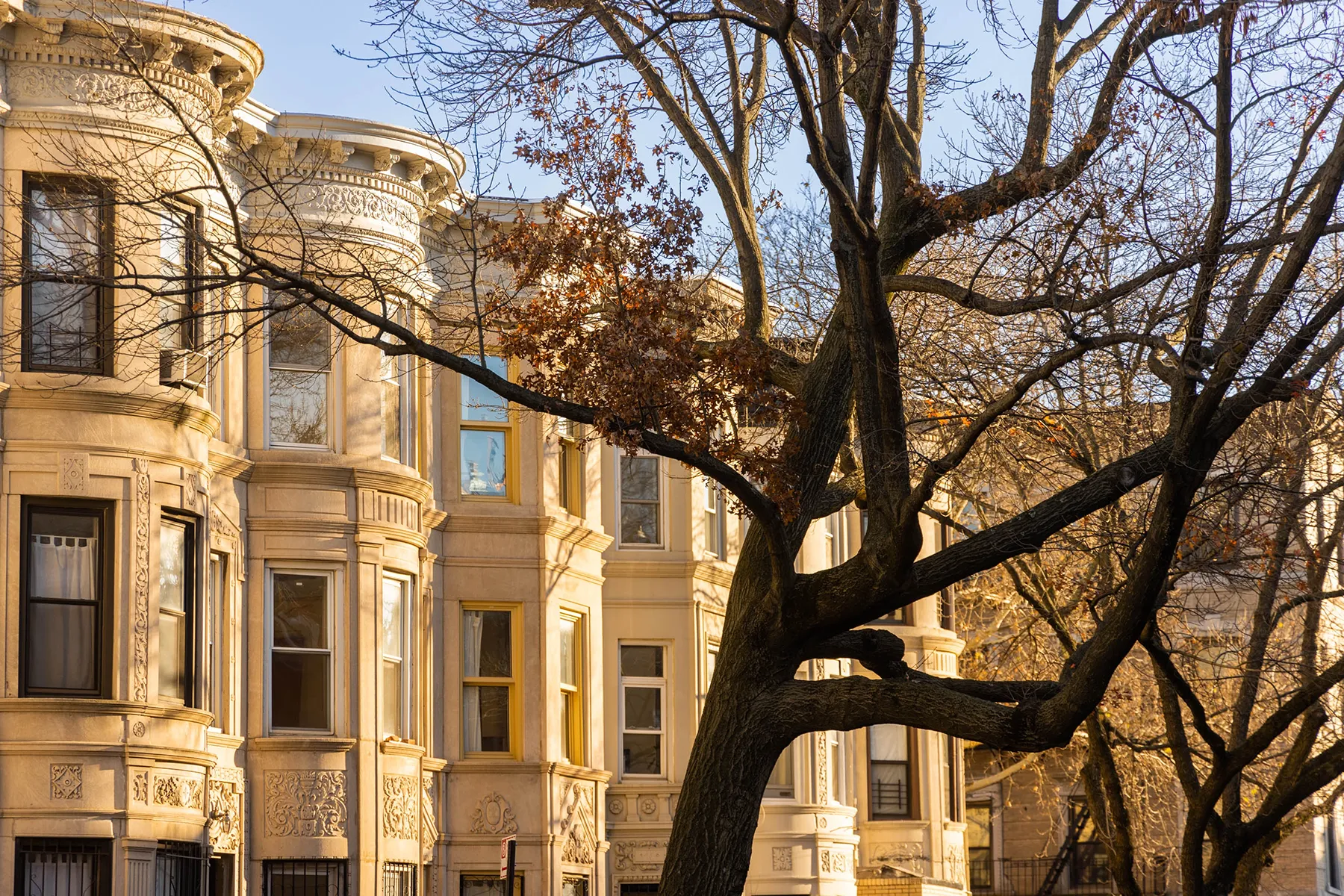
Prospect Heights is a fantastic location to get work done, enjoy a variety of restaurants, and relax within the 526 acres of Prospect Park. While the area is oriented more towards families, plenty of young professionals find the serenity they need there while also getting the most New York has to offer.
- Best for: families, introverted professionals who prefer a calmer environment with the amenities of a big city
- Pros: Co-living spaces, highly-rated coworking areas, a diverse community, Prospect Park, farmers markets, Brooklyn Public Library, Botanic Gardens, a lower crime rate compared to NYC as a whole
- Cons: not known for its nightlife, some areas are safer than others, about 30 minutes to Midtown on the 2/3.
Crown Heights
Like much of Brooklyn, Crown Heights has been transitioning over the years and is currently going through gentrification. With a mix of Caribbean, Orthodox Jewish, and hipster residents, you’ll enjoy a culturally rich experience with plenty of things to explore.
- Best for: extroverts, those looking to build connections in their community
- Pros: spacious co-living options, diversity, a sense of community, increasing levels of safety, historic preservation
- Cons: about 30–40 minutes to Midtown, gentrification changing the neighborhood composition, limited coworking spaces
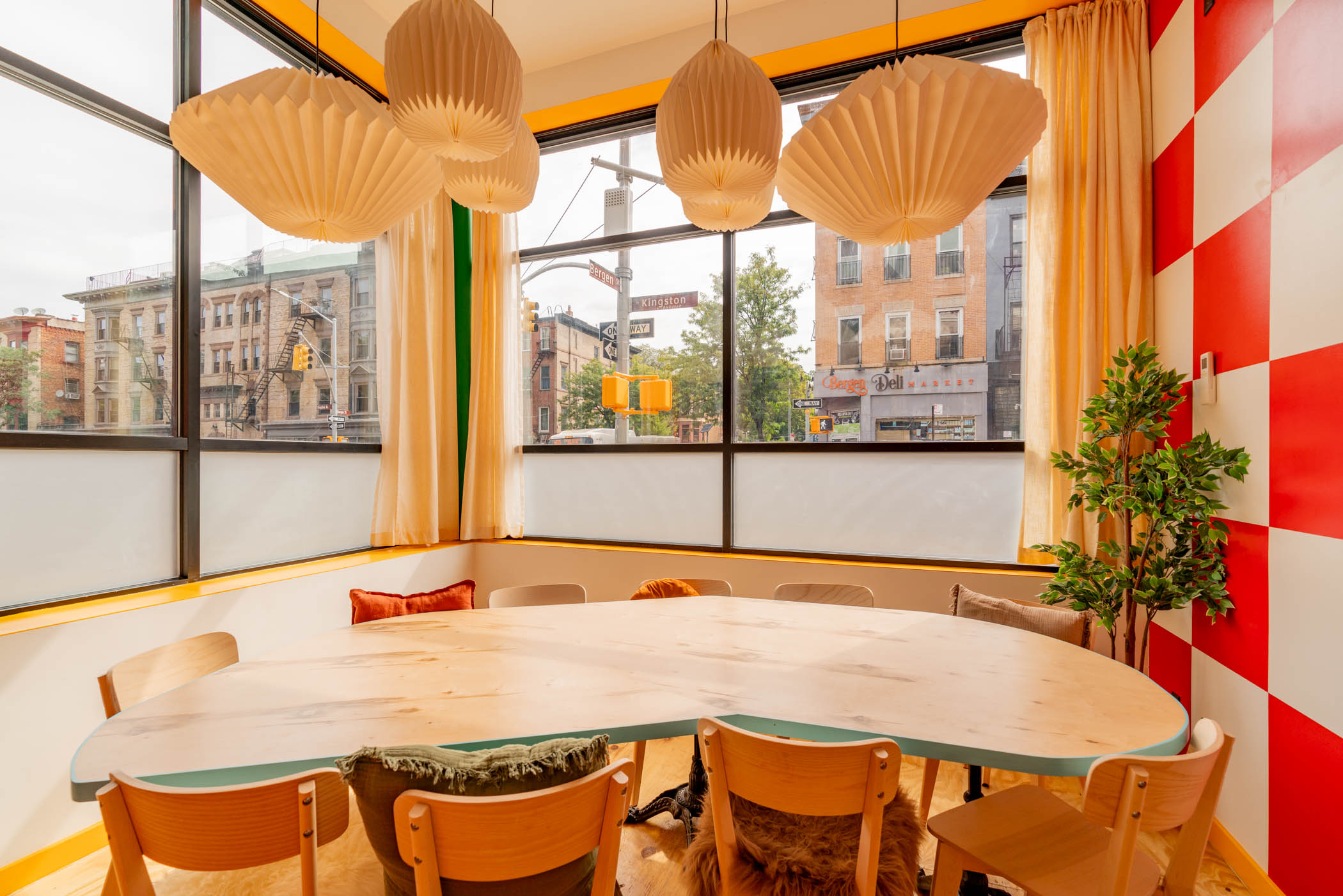
Williamsburg
If you are or have heard of hipsters, you’ve found their native watering hole in Williamsburg. This neighborhood is a highly-sought after place to live with all the perks of NYC and fewer crowds. Enjoy local indie music, distilleries, and food vendors at Smorgasburg along the river.
- Best for: artsy and edgy folks, a younger crowd, single people, couples
- Pros: bikeable neighborhood, short commute to Manhattan, many local events, art and music scenes, trendy restaurants, tons of coworking spaces
- Cons: High cost of rent, growing crowds, limited subway lines
Dumbo
DUMBO, short for Down Under Manhattan Bridge Overpass, is a sweet spot on the Brooklyn waterfront. Recent trends have moved in new restaurants, tech startups, companies, and galleries to the area. The industrial buildings provide great open-floor plans combined with plenty of creative jobs and things to do.
- Best for: millennials, youthful crowds, creatives
- Pros: Near Brooklyn Bridge Park, plenty of new firms and collectives moving in, one of the safest neighborhoods in Brooklyn, coworking and shared office spaces
- Cons: limited subway lines, bus stops, and cuisines
Bushwick
Bushwick is Brooklyn’s street-art capital, with the Bushwick Collective murals, warehouse venues, natural wine bars and some of the city’s best nightlife. It’s younger and more affordable than Williamsburg, just a few stops further out on the L.
- Best for: artists, creatives, night owls
- Pros: street art, nightlife, cafés and coworking spaces, Maria Hernandez Park, more space for your money than in Manhattan
- Cons: industrial in places, mainly served by the L and M, can be loud on weekends
Bed-Stuy
Bedford-Stuyvesant, or Bed-Stuy, is known for its tree-lined streets of brownstones, its proud history as a center of Black culture in Brooklyn, and a strong neighborhood feel. New cafés and restaurants keep opening, but it still feels residential.
- Best for: people who want space, character and a real community
- Pros: beautiful brownstones, local cafés and restaurants, Herbert Von King Park, good value compared with north Brooklyn, A/C express trains
- Cons: about 30–40 minutes to Midtown, quieter nightlife than Bushwick or Williamsburg
The best neighborhoods in Queens
To escape the squished apartments of Manhattan to a real home in the largest borough, Queens is your spot. You can find all living arrangements in Queens, including detached homes, brownstones, and apartments. Those with children looking for better public schools are also in luck.
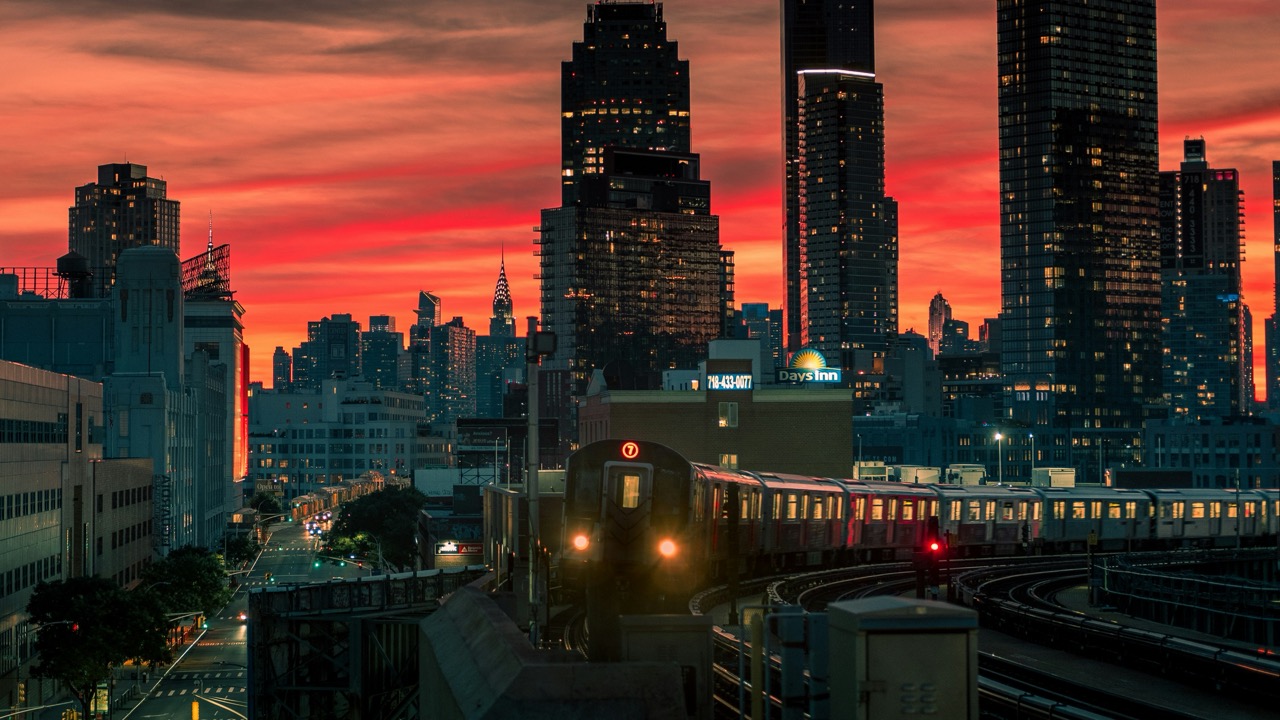
Astoria
Astoria is family-friendly but also has options for working professional singles and couples. It has everything you need nearby, including a good bar scene, and Central Park about 15 minutes away by subway. Get ready to become a Mets fan!
- Best for: quiet folks who plan to stay a while and enjoy knowing their neighbors
- Pros: proximity to Manhattan, a sense of community, quiet neighborhood, plenty of resources (grocery stores, general stores, etc.)
- Cons: lacks an array of cultural and artistic events, difficult to visit Brooklyn, few coworking spaces
Long Island City
Long Island City sits right across the East River from Midtown, with glassy high-rises, Gantry Plaza State Park and some of the best skyline views in the city. It has one of the fastest commutes in NYC: Grand Central is one stop away on the 7.
- Best for: professionals who want a short commute and a modern apartment
- Pros: very fast commute (7, E, M, G, N and W trains), waterfront parks, MoMA PS1, newer buildings with amenities
- Cons: can feel quiet and corporate at night, new buildings are pricey, less old-school character
Flushing
Flushing is located near LaGuardia Airport, convenient for avid travelers and those who travel for business. With a large Asian community, you’ll find cultural diversity with plenty of Chinese and Korean influence in this neighborhood among a melting pot of inhabitants.
- Best for: curious introverts who appreciate diversity and quiet evenings
- Pros: Flushing Chinatown, historic landmarks and places, Queens Botanical Garden, Flushing Meadows-Corona Park, a low crime rate, highly rated coworking spaces (although they are few)
- Cons: very limited subway options, restaurants are not well-dispersed
The best neighborhoods in the Bronx
The Bronx is a go-to when you need to escape the long lines and piles of people in the city that never sleeps. Within it, you can find the New York Botanical Garden, the Bronx Zoo, the summer concert series, and great views of the Hudson. As with any borough, though, you’ll need to choose your neighborhood carefully.
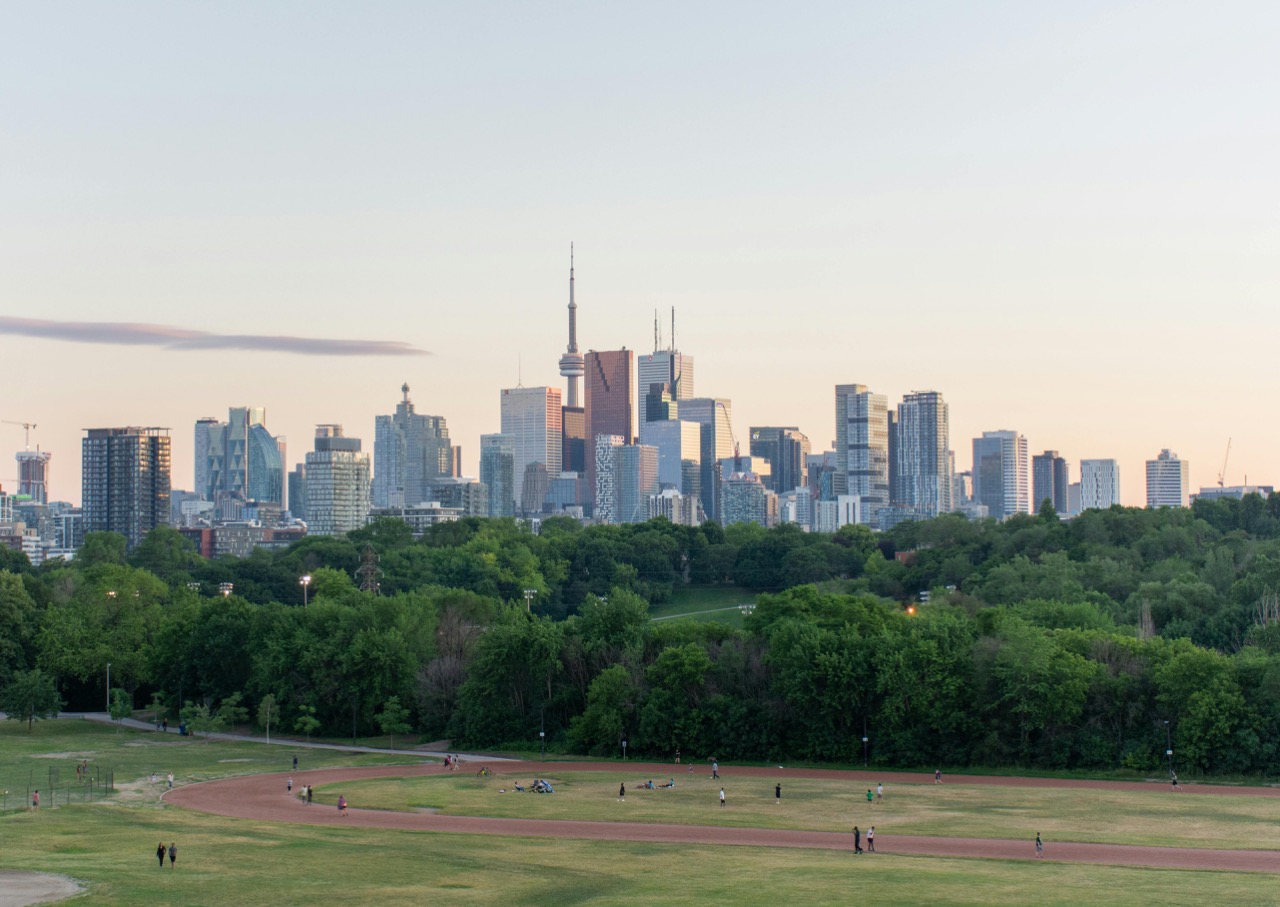
Riverdale
Riverdale is the northwestern, suburban part of the Bronx. It includes mainly upper-middle and upper-class families and individuals, although some parts include the middle class too. If you’re looking for stability and lower housing costs, Riverdale could be for you.
- Best for: quiet professionals who want a suburban feel while still being close enough to the hustle and bustle of NYC
- Pros: farm-to-table food options, lower cost of rent, everything from co-op housing to mansions
- Cons: most residents need a car to get around, little to no nightlife, no coworking spaces
Woodlawn Heights
Woodlawn Heights is a diverse, close-knit neighborhood. You can find plenty of bars, restaurants, and coffee shops here for families and young professionals. It’s a walkable neighborhood that rates highly for safety.
- Best for: a small-town suburban feel for professionals
- Pros: safe, good value for your money, excellent schools, sense of community, many housing options with yards, near Van Cortlandt Park, bars and restaurants
- Cons: A bit isolated, many hills
The best neighborhoods in Staten Island
Staten Island’s nickname is the Borough of Parks, which means there are plenty of outdoor spaces to pair with your affordable housing. While a fair distance from the hubbub of Manhattan, you can reach it via a free ferry in just 25 minutes! Plus, there is plenty to do within Staten Island itself.
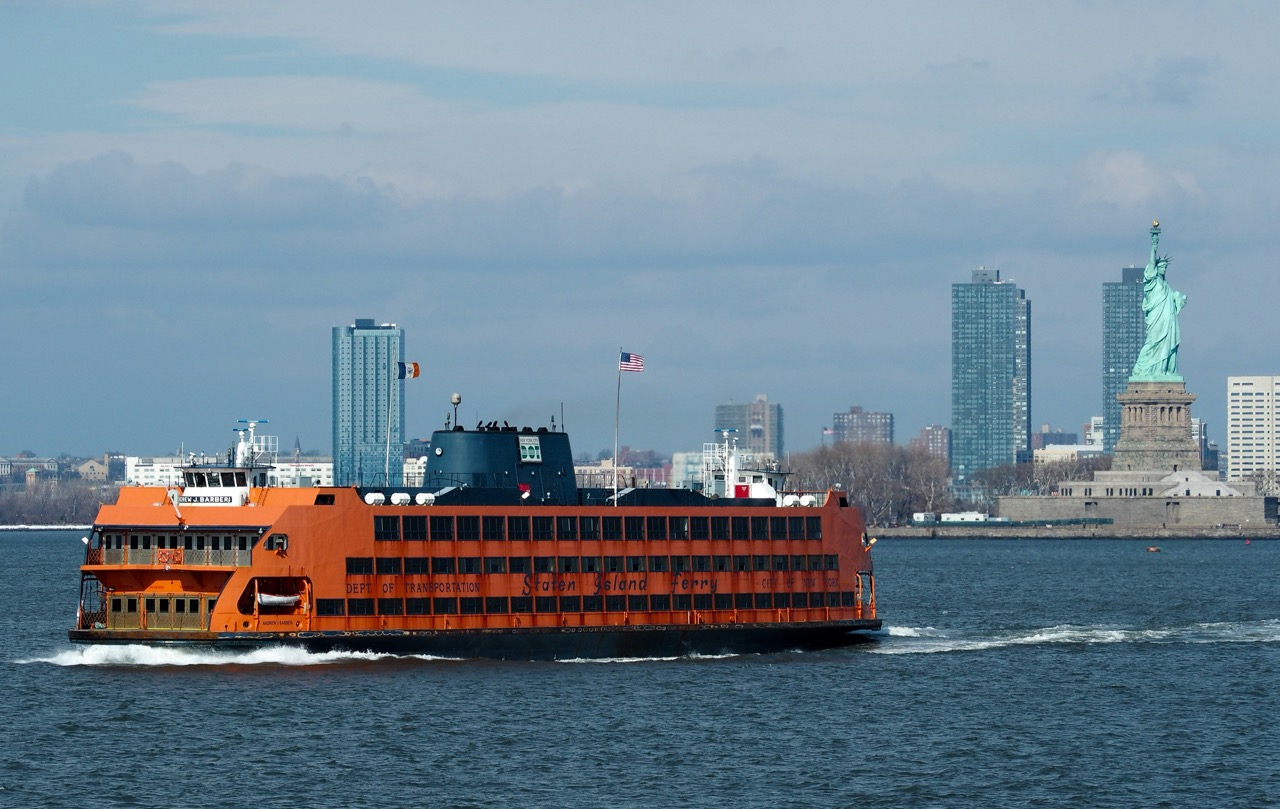
St. George
St. George is on the northeastern tip of Staten Island along the waterfront. While it has everything you need for the day-to-day, you also have direct access to the Staten Island Ferry to visit Manhattan on a whim.
- Best for: single people and couples without children looking for a variety of housing options
- Pros: Empire Outlet mall (the only one in NYC), local brewing companies, restored historical buildings, great Italian food, free Staten Island Ferry, walkable area
- Cons: difficult to reach other boroughs by car or train, no coworking spaces
New Springville
Spot in the middle of Staten Island lies New Springville. A hub for students at the College of Staten Island, this neighborhood offers a mix of city vibes and nature for residents.
- Best for: young professionals, couples, young families, students of all ages
- Pros: easy access to hiking trails, nature center, great shopping options, LaTourette Park
- Cons: limited transportation in the evenings/nights, far from other boroughs, no coworking spaces
New Dorp
New Dorp is a commercial neighborhood that combines hip and historic vibes with an international crowd. You’ll find Polish, Italian, and Albanian populations in this densely populated neighborhood.
- Best for: young professionals, couples, those looking for diversity
- Pros: close to the beach, very safe, a combination of available homes and apartments
- Cons: lots of traffic, limited parking, no coworking spaces
Frequently Added Questions
- Where should I live in NYC?
It depends on your budget, your commute, and your lifestyle. For energy and walkability, try Greenwich Village or the East Village. For a creative scene with more space, Williamsburg, Bushwick, or Bed-Stuy. For short commutes at lower prices, Astoria or Long Island City. For a calmer, suburban feel, Riverdale or Staten Island. - What are the best neighborhoods in NYC for young professionals?
Williamsburg, Bushwick, the East Village, Astoria, and Long Island City are the most popular: good nightlife, lots of people your age, and reasonable commutes. For Brooklyn, see our guide to the best neighborhoods in Brooklyn for young professionals. - What is the best borough to live in NYC?
There’s no single best borough. Manhattan is the most central and the most expensive, Brooklyn has the most variety, Queens offers the best value close to Manhattan, and the Bronx and Staten Island give you the most space for your money. - How much is rent in NYC?
The average 1-bedroom apartment costs about $4,610 a month (Zumper, November 2026). A room in a shared apartment or coliving home costs much less, which is why many newcomers start with a room. - What are the most affordable neighborhoods in NYC?
Staten Island and parts of the Bronx, like Woodlawn, are generally the most affordable. In Manhattan and Brooklyn, Harlem, Bed-Stuy, and Crown Heights give you more for your money than their neighbors.
Which NYC neighborhood is best for you?
There’s no single best neighborhood in New York, only the best one for you. Start with your budget and your commute, then pick the vibe: buzzing Manhattan, creative Brooklyn, great-value Queens, or the calm of the Bronx and Staten Island. Before you sign anything, read our things to know before moving to New York, and once you’ve arrived, here’s how to meet new people in NYC.